Ticks are small pests that can create significant problems for families and pets. They are commonly found in grassy areas, gardens, bushland, and places where pets spend time outdoors. Because ticks can attach to people and animals, taking preventive measures year-round is important for maintaining a safe and comfortable home environment.
Managing ticks takes more than just treating the ones you see. Keeping your yard tidy, checking your pets often, reducing places where ticks can hide, and acting quickly if you spot a problem all help lower the risk. If ticks become hard to control, professional pest experts can offer targeted solutions.
This blog discusses pest control strategies to protect your family from ticks.
Why Tick Control Matters
Ticks survive by feeding on the blood of animals and humans. When they enter residential areas, they may hide in vegetation, leaf litter, shaded areas, and other locations where people or pets regularly move.
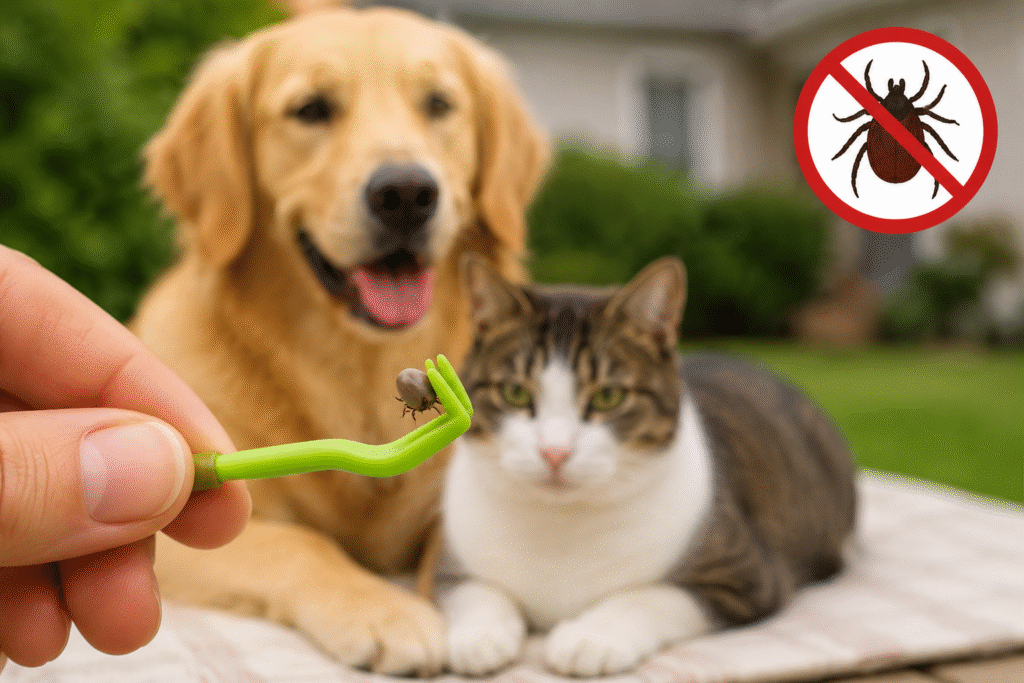
Pets that spend time outdoors can be particularly exposed. A tick may attach to a dog or cat and remain unnoticed until it has been discovered during grooming or after returning indoors. People can also pick up ticks while gardening, walking through long grass, or spending time in areas with dense vegetation.
That’s why regular prevention matters, especially if you have a garden, pets, or live near bushland.
Where Ticks Commonly Hide
Knowing where ticks like to hide makes prevention easier. They usually prefer cool, damp, and sheltered spots instead of sunny, open areas.
Common locations include:
- Long grass and overgrown vegetation
- Leaf litter and garden debris
- Bushy areas and dense shrubs
- Around garden edges
- Areas frequented by wildlife
- Outdoor pet resting areas
- Cracks and sheltered locations around structures
Keeping vegetation trimmed and reducing unnecessary garden debris can help make your property less attractive to ticks.
How Ticks Can Affect Pets
Dogs and cats can encounter ticks while exploring gardens, parks, and outdoor areas. Because ticks can be very small, they may not always be noticed immediately.
Pet owners should regularly check their animals, especially after outdoor activities. Pay particular attention to areas such as around the ears, between the toes, under the collar, around the neck and other places where ticks may be difficult to see.
If you discover a tick attached to your pet, follow appropriate veterinary advice for safe removal and monitoring. Preventative tick treatments recommended by a veterinarian can also form an important part of an overall protection plan.
Protecting Your Family From Ticks
Families can reduce exposure by taking a few practical precautions when spending time outdoors. Wear appropriate clothing when walking through long grass or bushy areas and check clothing and skin after outdoor activities.
Children should also be encouraged to avoid playing in heavily overgrown areas. After spending time outside, checking clothing, shoes, bags, and outdoor equipment can help prevent ticks from being brought inside.
Keeping lawns maintained and clearing excessive vegetation around frequently used areas can further reduce potential tick habitats.
Year-Round Tick Prevention
Tick activity can vary with environmental conditions, but prevention should not necessarily be limited to a single season. Changes in temperature, rainfall, humidity, and wildlife activity can influence pest populations.
A year-round approach may include:
- Maintain your garden: Keep lawns regularly mowed and trim dense vegetation.
- Remove garden debris: Clear accumulated leaves, branches and other organic material.
- Create separation: Where practical, maintain a clear area between lawns, garden beds and dense vegetation.
- Check pets: Inspect pets after outdoor activities and maintain recommended preventative treatments.
- Inspect outdoor areas: Look for locations where ticks could shelter or where animals frequently rest.
- Act early: If you notice increasing tick activity, consider professional pest management before the problem becomes widespread.
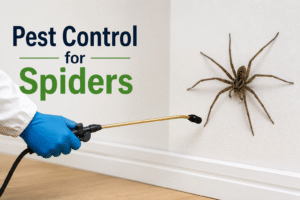
These steps can complement other household pest prevention measures. For example, homeowners may also need pest control for spiders when outdoor areas provide suitable shelter for multiple pest species.
Natural Pest Control Methods for Your Home
Some homeowners prefer to begin with lower-impact prevention strategies. Keeping gardens tidy, removing potential pest habitats, improving outdoor cleanliness, and reducing excessive moisture can all contribute to a less pest-friendly environment.
These measures are useful as part of a broader approach to natural pest control for home. However, natural methods may not always be enough when there is an established infestation or when ticks are repeatedly entering the property.
Professional advice can help identify the source of the problem and determine the most suitable treatment approach.
When Should You Consider Professional Tick Control?
Professional assistance may be appropriate when you regularly find ticks on family members or pets, notice persistent tick activity around the property, or live close to bushland and other environments where ticks are common.
At Pest Control Murfreesboro, our certified specialists will assess the property, identify potential tick harbourages, and recommend suitable treatment and preventative measures. Rather than treating only the areas where ticks have been noticed, a thorough inspection can help identify conditions that may be supporting continued activity.
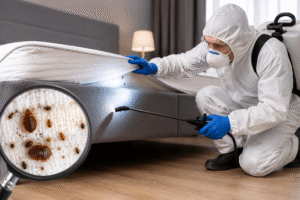
Professional pest management can also be useful when multiple pest problems occur around the property. For example, homeowners dealing with recurring insect activity may need pest control for bed bugs, as well as other targeted treatments.
Keep Your Home and Pets Better Protected
The best way to prevent ticks is to keep up with yard work, check your pets often, and get professional help when you need it. Simple things like mowing the lawn, clearing away leaves, trimming plants, and checking your pets can make it harder for ticks to take hold.
Since outdoor conditions change all year, it’s smart to keep up your prevention habits no matter the season. If you still notice ticks even after taking precautions, Pest Control Murfreesboro can check things out and offer a targeted solution.
If you act early and keep up with regular yard care, you’ll help make your outdoor spaces safer for your family and pets and lower the chances of ticks becoming a long-term problem.
Want to speak with pest control specialists? Call +1 629-207-6673 and get a free quote today.