
One of the key components to maintaining a safe and comfortable home is keeping it pest-free. Whether it’s ants marching across the kitchen counter, cockroaches scurrying behind the fridge, or termites silently invading your wooden structures, common pest are common for a reason — they can be a pain to deal with, and in some cases, present a health risk. Having some basic knowledge about identifying pests and planning for early intervention can be a big time-saver when faces with common household pests in the future.
In this article, we will look at some common household pests, signs that indicate you may have an infestation, and a few normal pest prevention tips. From knowing how to treat for bed bugs, to identifying a termite infestation, this article attempts to keep you a step ahead.
1. Ants
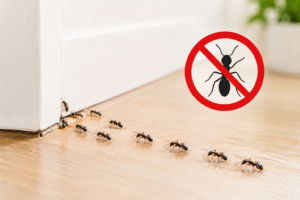
Of all the common household pests, ants are arguably the most persistent in United States homes. Ants can seem to come out of nowhere and usually invovle themselves into your life based entirely on the chance that food, sugar, or pet food was left in a visible place — sometimes for only a moment. Once they discover a source of food, they release a pheromone that marks a trail for other ants to follow, and suddenly you have a trail of ants showing up on a regular schedule.
How to find them:
Small black or brown pests forming visible trails, particularly around kitchens or bathrooms.
Ant nests inside wall cavities, cracks, or in the garden soil, close to the house.
Ants suddenly appear around sugary or greasy food.
Prevention tips:
Keep all food sealed and properly stored.
Wipe the surfaces of your counters and floors regularly.
Seal any cracks or gaps where they can gain access.
In the event they become out of control, it is always best to reach out to an Exterminator to locate and treat the source of the issue.
2. Cockroaches
Few pests cause more discomfort than roaches. Cockroaches prefer to live in warm, moist habitats and they are a known vector for bacteria, making their presence a hygiene issue.
How to find them:
Droppings that look like ground coffee or black pepper.
Egg casings (small brown capsules) tucked away in dark areas or corners.
A musty, oily odor can also be an indicator of significant infestation.
Seeing cockroaches run away from a warm light when you typically turn on the lights at night.
Prevention tips:
Keep the kitchen as clean as possible. Do not leave dirty dishes overnight.
If a tap leaks, repair it to eliminate moisture in the kitchen.
Be sure to regularly empty and seal trash bins.
If a infestation persists, Pest Control Murfreesboro may have treatments that can safely and effectively target the population.
3. Termites
Termites are sometimes referred to as “silent destroyers” because they can do major damage to a structure before you are aware of them. They consume wood and other cellulose products, putting the integrity of your home at risk.
How to spot them:
Mud tubes on walls or foundations.
Hollow sounding when tapping wood.
Blistered paint or warped wooden floors.
Dead wings from swarming termites by windows or doors.
Prevention tips:
Keep foundation area dry and properly ventilated.
Do not store firewood close to your home.
Schedule annual termite inspections.
If you suspect activity, contact a Termite Control specialist immediately. The more you wait, the more damage you’ll incur, which means more money spent on repairs.
4. Bed Bugs
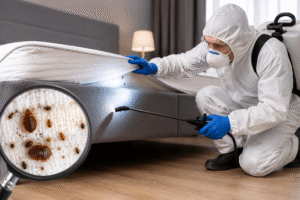
Bed bugs are small reddish-brown insects that tend to feed on human blood, possibly while you are sleeping. Theydo not carry diseases, but their bites can cause itching, allergic reactions, or even sleepless nights.
How to spot them:
Red itchy welts on arms or legs after sleeping.
Tiny blood stains or dark spots (feces) present on bedding or mattress.
Musty smell in heavily infested rooms.
Live bugs visible on or around mattress seams or headboards.
Tips for Prevention:
Frequently vacuum and check mattresses, bed frames, and upholstered furniture.
Wash and dry bedding at high heat if you suspect an infestation.
If you travel, check hotel beds and keep luggage off the ground.
Bed Bug Removal should be conducted by a professional if you notice signs of an infestation — these pests are stubborn, and typically you cannot get rid of them yourself.
5. Rodents (Mice and Rats)
While rodents can be destructive, they are a huge health risk as well. Rodents can damage electrical wiring, insulation and stored food, and can carry disease through their droppings and urine.
How to identify them:
Droppings found near food storage areas or along walls
Gnaw marks on wires, furniture or food bags
Scratching sounds in walls or ceilings during the night
Nesting like shredded items like paper, cloth or insulation
Tips for Prevention:
Store food in containers where rodents cannot get into (e.g., tupperware)
Seal cracks, holes and gaps around the house
Keep trash bins tightly sealed
Maintain clean outside areas by collecting any items laying around
If rodents have already made it into your home, it is safest and easiest to call an Exterminator or pest control specialist.
6. Spiders
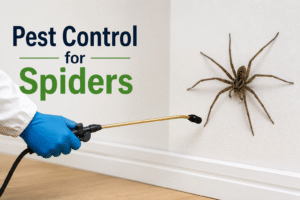
While many spider species are harmless, some may be harmful due to their venomous bites. Most spiders prefer dark, quiet hiding places, which is why storage areas, garages, and attics are good options when looking for spiders.
How to identify spiders:
Web, in corners of rooms, behind furniture, or near windows.
Visible egg sacs or shed skin.
Regular sightings of spiders indoors (especially in evening hours).
Preventative measures:
Regularly dust and vacuum in corners, crevices, and behind furniture.
Seal up cracks and put screens in windows.
Avoid keeping clutter, as that provides a place to hide for things such as spiders.
Most of the time spiders can be beneficial because they eat other insects, but if you find venomous species, or a growing population, you most likely need to contact Pest Control in Murfreesboro to remove them.
7. Fleas
Fleas are small jumping insects that can feed on the blood of pets and even humans. Even homes without pets can have flea infestations because fleas can attach to clothes or other animals.
How to identify fleas:
Itchy bites, especially at the ankles or legs.
Small black “specks” (flea dirt) in pet bedding or fur.
Pets scratching and/or biting at themselves excessively.
Preventative measures:
Wash pet bedding regularly, and vacuum your carpets frequently.
Use flea prevention recommended or approved by your veterinarian and treat pets regularly.
Keep your yard neat, tidy, and clear of animal droppings and debris.
8. Silverfish
These small and shiny insects flourish in cool, dark, moist areas such as bathrooms, basements and attics. These pests feed on paper, glue and fabrics; that is their main food source and they can become really annoying to homeowners.
How to identify:
Seeing small insects that look metallic and move quickly.
Seeing yellow staining or small holes in paper or clothing.
Tiny droppings which look like black pepper.
How to prevent:
Make sure that you can ventilate damp areas to reduce humidity.
Store old books, paper and fabrics in sealed containers.
Regular cleaning to stop access to food sources.
9. Mosquitoes
Mosquitoes are just annoying pests that bite and can transmit diseases. They breed in stagnant water and are usually more effective during the warmer periods.
How to identify:
Hearing the buzzing of a mosquito around your ears.
Bites leaving red and itchy welts.
Finding larvae wriggling in standing water sources, (i.e., in pots and bird baths).
How to prevent:
Remove any standing water around your property.
Have screens on your doors and windows.
At all times where you are outside, you must wear insect repellent.
10. Wasps, and bees
Wasps and bees play an important role in nature pollinators, but they can become a problem and a pest when they make nest close to your home, or even inside the wall cavities. Wasps are known to be aggressive when they feel threatened.
How to identify:
Hearing the buzzing sound in areas near the eaves, sheds, and garden furniture.
Visible nests that are made out of papery nests or wax.
Tips to prevent an infestation:
Do not leave screw or messy outside, for example, open food or a drink.
Fill in any cracks or cavities to prevent nests from forming.
Have large nests professionally removed.
Final Thoughts
The best thing you can do to help ensure you maintain a healthy environment for your family is to know your pests and know how to prevent and address pest infestations quickly.
You need to understand that each pest poses different problems and therefore different solutions in the prevention and control of pest infestations.
Regular assessment, cleanliness and promptness is an effective way to make your home pest-free.
However, if you are struggling to manage a pest infestation, you can sit down and contact pest control Murfreesboro tn to help manage that for you. The team here at pest control
Murfreesboroughtn will provide safe, effective, and long-lasting pest removal solutions for pest control in Murfreesboro tn, including designed plans for Bed Bug Removal, Termite Control and exterminating service in Murfreesboro tn.
Don’t let pests take over your home and life! Contact Pest Control Murfreesboro tn for help today.