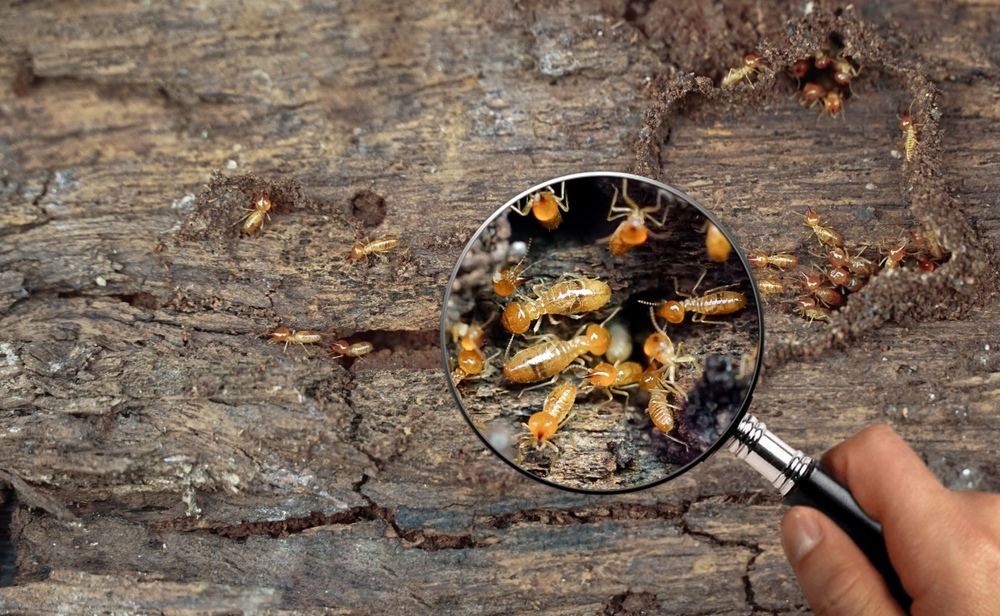
Termites are one of the most destructive pests a homeowner can face, often causing thousands of dollars in structural damage before they’re even detected. Understanding the cost differences between various termite treatments is essential for budgeting and choosing the right solution.
Whether you’re exploring termite control services in Murfreesboro or comparing nationwide pricing trends, understanding the factors that influence extermination costs can help you make an informed decision.
Factors That Affect Termite Treatment Costs
The cost of treating a termite infestation can vary significantly depending on several factors. The size of the infestation, the type of termites involved, the extent of property damage, and the treatment method all play a major role. Additionally, regional pricing differences and the experience level of the pest control company can impact the overall cost of exterminator services.
For example, a minor infestation caught early may cost a few hundred dollars to treat, while a severe, long-term infestation could run into thousands. Homes requiring extensive bug removal and repair work will naturally incur higher expenses.
Cost of Treating Subterranean Termites
Subterranean termites are the most common and destructive type in the United States. They live in soil and build mud tubes to access wooden structures. Treating these termites typically involves soil treatments, bait systems, or a combination of both.
On average, homeowners can expect to pay between $500 and $3,000 for subterranean termite treatment. Liquid soil treatments are often priced based on the linear footage of the home, while bait systems may involve ongoing maintenance costs. These treatments are highly effective but require professional insect control expertise to ensure proper application and long-term prevention.
Cost of Treating Drywood Termites
Drywood termites infest dry wood structures and do not require soil contact. They are commonly found in attics, furniture, and wooden framing. As they live inside the wood, treatments often involve localized applications or full-structure fumigation.
Localized treatments can cost between $300 and $1,500, depending on the severity and accessibility of the infestation. If the infestation is widespread, fumigation may be necessary, which can cost anywhere from $1,500 to $5,000 or more. While fumigation is more expensive, it provides a comprehensive solution that eliminates termites throughout the entire structure.
Cost of Treating Dampwood Termites
Dampwood termites are less common but can still cause damage, especially in areas with high moisture levels. These termites are attracted to damp or decaying wood, making them easier to manage once the moisture issue is addressed.
Treatment costs for dampwood termites are generally lower, ranging from $500 to $2,500. In many cases, fixing leaks or improving ventilation can significantly reduce the risk of reinfestation. Professional bug removal services may also include recommendations for moisture control to prevent future problems.
Comparing Chemical vs Non-Chemical Treatments
Chemical treatments, such as liquid termiticides, are among the most commonly used methods due to their effectiveness and relatively lower upfront cost. These treatments create a barrier around the home and can last for several years.
Non-chemical options, such as bait systems, are environmentally friendly but may require ongoing monitoring and maintenance. While the initial cost may be lower, long-term expenses can add up. Homeowners should weigh the pros and cons of each method when evaluating the cost of exterminator services.
Additional Costs to Consider
Beyond the initial treatment, homeowners should also keep in mind other expenses. Repairing termite damage can significantly increase the overall cost. Structural repairs, wood replacement, and cosmetic fixes may be necessary depending on the severity of the infestation.
Preventative services, such as annual inspections and maintenance plans, are also worth considering. Many pest control companies offer bundled services that include termite monitoring, mosquito control, and general insect control, providing added value and protection for your home.
Choosing the Right Pest Control Service
Selecting a reliable pest control provider is just as important as choosing the right treatment method. Look for companies with proven experience, proper licensing, and positive customer reviews. If you’re searching for termite control in Murfreesboro, ensure the provider offers tailored solutions based on your specific infestation type and property needs.
A professional inspection is the first step in determining the scope of the problem and providing an accurate cost estimate. Many companies offer free or low-cost inspections, which can help you understand your options without a significant upfront investment.
Final Thoughts
The cost of treating termite infestations varies widely depending on the type of termites and the treatment method required. Subterranean termites often require more extensive and costly treatments, while drywood and dampwood termites may be addressed with more targeted solutions. By understanding these differences and working with a trusted pest control provider, homeowners can effectively protect their property and manage costs.
Investing in professional pest control and ongoing insect prevention is essential to maintaining a termite-free home. While the cost of exterminator services may seem high initially, it is far less expensive than repairing extensive termite damage in the long run.
Protect your home before termites turn into a costly problem!
At Pest Control Murfreesboro, we offer reliable inspections, targeted treatments, and ongoing protection plans designed for long-term results. Whether you’re dealing with an active infestation or want peace of mind, our experienced team is ready to help.
Schedule your inspection today at +1 629-207-6673 and take the first step toward keeping your property safe, secure, and termite-free year-round.