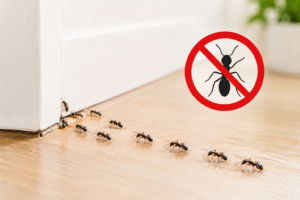
Ants may be tiny, but an infestation can quickly become a frustrating problem for homeowners. Once ants find a reliable source of food, water, or shelter, they can establish trails throughout kitchens, bathrooms, gardens, and other areas of the property. Simply removing the ants you can see may provide temporary relief, but it often does not address the colony itself.
Effective ant management combines prevention, sanitation, property maintenance, and targeted treatment. Knowing what draws ants to your home and how they get inside helps you take simple steps to reduce their activity and protect your home.
This blog discusses some effective strategies to eliminate the ant infestation in your home.
Why Do Ants Enter Homes?
Ants generally enter homes in search of food, water, and suitable shelter. Even small amounts of food residue can attract worker ants, which may then create visible trails between the food source and their nest.
Common attractants include:
- Food crumbs and spills
- Sugary drinks and food
- Pet food
- Unsealed rubbish bins
- Standing water or moisture
- Leaking pipes and taps
- Overripe fruit
- Food stored in open containers
Outdoor conditions can also influence ant activity. Heavy rain, extreme temperatures, or changes in available food sources may encourage ants to move indoors.
Identify How Ants Are Getting Inside
One of the most important steps in controlling ants is finding their entry points. Ants can enter through surprisingly small gaps around windows, doors, walls, plumbing penetrations, and foundations.
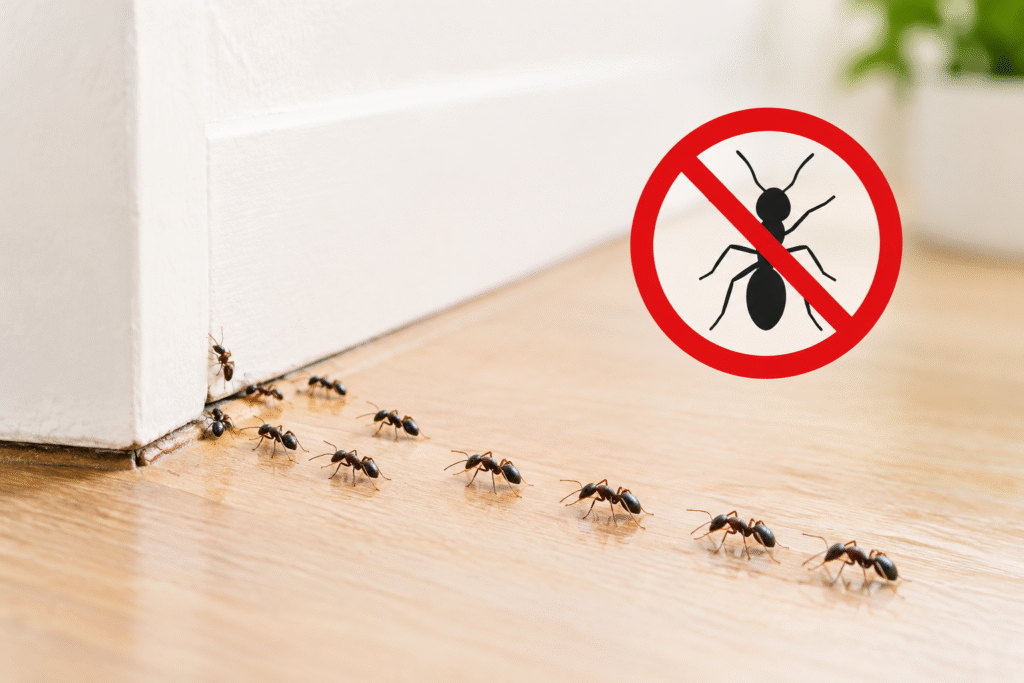
Inspect areas where external surfaces meet the building and look for visible ant trails. Following a trail can sometimes help you identify where ants are entering or traveling to find food.
Once potential entry points have been identified, seal appropriate gaps and cracks with suitable materials. Installing or repairing door seals and window screens can also help reduce pest access.
Keep Your Kitchen Clean
The kitchen is one of the most attractive areas for ants because it commonly contains accessible food and moisture. Regular cleaning can make the environment less appealing.
Wipe down benches and dining surfaces after preparing or eating food. Clean spills promptly and pay particular attention to sugary substances. Floors should also be swept or vacuumed regularly to remove crumbs and food particles.
Store pantry items in sealed containers, especially sugar, cereals, biscuits, and other foods that may attract ants. Keep fruit stored appropriately and empty the rubbish regularly.
Remove Outdoor Ant Attractions
Ant prevention should not stop at the front door. Outdoor conditions around the property can contribute to indoor infestations.
Trim vegetation away from walls, windows and entry points. Remove piles of leaves, timber, garden debris and other materials that could provide shelter for ants. Check areas around outdoor taps and irrigation systems for excess moisture.
It is also useful to inspect plants for aphids and other insects that produce honeydew, which can attract certain ant species. Managing these conditions can help reduce ant activity around the home.
Why Killing Visible Ants May Not Be Enough
Seeing a line of ants in your kitchen can be tempting to spray them immediately. While this may kill visible workers, it does not necessarily eliminate the colony.
Ant colonies may contain queens, workers, and other ants hidden in wall cavities, gardens, soil, or other protected locations. If the underlying colony remains active, new workers may continue to appear.
For this reason, effective ant management focuses on the source of the infestation rather than only the visible ants.
Use Targeted Ant Control Methods
Different ant species and infestations may require different approaches. Baits can be useful because worker ants may carry them back to the colony, potentially affecting ants that are not directly visible.
However, bait placement and treatment methods should be selected carefully. Using inappropriate products or placing treatments where children or pets can access them may create unnecessary risks.
If ants continue to return despite household prevention measures, professional pest control can help determine the species, locate potential nesting areas, and develop a targeted treatment strategy.
Maintain a Pest-Resistant Property
Long-term ant prevention requires ongoing maintenance. Check the property regularly for cracks, gaps, moisture issues, and overgrown vegetation.
Pay attention to seasonal changes as well. Ant activity can increase when environmental conditions change or when outdoor food sources become less available.
Keeping the home clean, dry, and well-maintained reduces the conditions that encourage ants to establish themselves indoors.
When Should You Call a Professional?
Professional assistance may be worthwhile if you regularly see ants, discover multiple trails throughout your home, find ants emerging from walls or other hard-to-access areas, or notice that DIY treatments provide only temporary results.
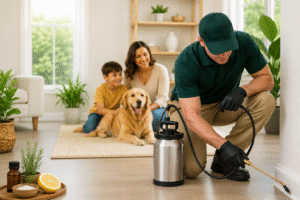
At Pest Control Murfreesboro, our certified specialists will assess the property and identify factors contributing to the infestation. Treatment can then focus on likely nesting locations and entry points rather than relying solely on surface sprays.
Professional pest management can also be helpful when several pest issues occur at the same property. For example, homeowners may need pest control for spiders in addition to ant management when outdoor areas provide suitable hiding places for multiple pests.
Similarly, homes with gardens, pets, or lots of plants nearby may also need preventive measures against other pests, including pest control for ticks.
Keep Ants Out for Good
It’s easier to keep ants out when you use both prevention and treatment. Begin by removing food and water sources, sealing entry points, tending to outdoor spaces, and monitoring for early signs of ants.
If ants have already settled in, just getting rid of the ones you see won’t fix the problem. Finding and addressing the colony and its attractants is the best way to get lasting results.
By keeping up with regular maintenance and using the right pest control, you can make it much less likely that ants will return and keep your home cleaner, more comfortable, and free of pests.
Are you dealing with ants in your home? Our expert team at Pest Control Murfreesboro is here to help with eco-friendly, effective pest control. Call +1 629-207-6673 and get a free quote today.